
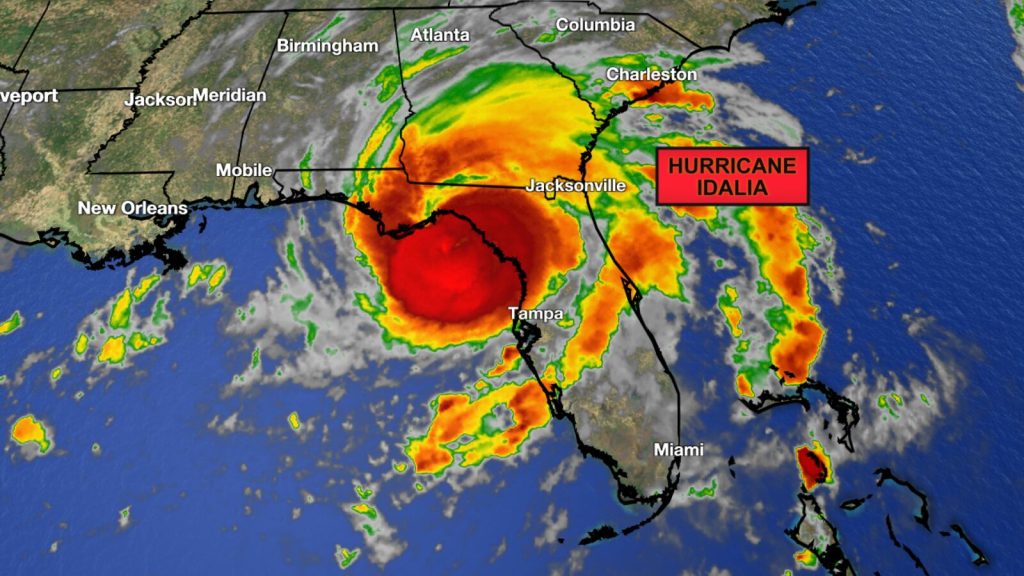
The weather alert sounds on your phone. Another hurricane is forming in the Atlantic. Your stomach drops because you know what’s coming: the questions, the anxiety, the disruption to every carefully crafted routine that helps your autistic loved one feel safe and regulated.
You’re not alone in this. Hurricanes are unpredictable and chaotic by nature, which makes them particularly challenging for autistic individuals who thrive on structure and predictability. But here’s the good news: with the right approach, you can help your loved one not just survive hurricane season, but develop resilience that will serve them through any unexpected change.
Let’s walk through this together, from the moment you hear that first forecast to the days after the storm passes.
Before the Storm: Building the Foundation
Start the Conversation Early (and Keep It Going)
Resist the urge to wait until the last minute to tell your autistic loved one about an impending storm. They need time to process what’s coming—often more time than neurotypical family members.
This isn’t about overwhelming them with constant storm updates. Instead, share information in manageable pieces and presume competence. Have a concrete plan you can stick to, and walk them through what life will look like before, during, and after the hurricane.
Here’s what helps: Create a visual schedule showing the new routine. What will mornings look like without electricity? Where will everyone sleep? When might the power come back on? Sometimes seeing the plan laid out prevents their brain from filling in the blanks with worst-case scenarios.
Hand Them the Hurricane Prep Clipboard
One of the most powerful things you can do is involve them in the planning. When everything feels out of control, having a role in the preparation gives them something they can control.
This doesn’t have to be complicated. Maybe they come with you to pick out supplies at the store. Maybe they help decide which games and activities to pack in the hurricane box. If they’re older, they might even participate in deciding where the family should evacuate, within reason, of course.
Another strategy that builds both control and connection is to have them explain the hurricane plan to a younger sibling or an elderly family member. The repetition reinforces the plan in their own mind, and helping someone else gives them purpose during uncertainty.
During the Storm: When Everything Changes
Hold Onto What You Can
When the power goes out and normal life grinds to a halt, your instinct might be to throw all routines out the window. Don’t. This is exactly when your autistic loved one needs those familiar anchors most.
Can you still listen to their favorite podcast at breakfast, even if you’re streaming it on a phone with limited data? Can Thursday still be spaghetti night, even if you’re cooking it on a camp stove? These small consistencies create islands of normalcy in a sea of change.
Create New Traditions in the Chaos
Here’s something that might sound counterintuitive: while you’re maintaining old routines, also create new ones specifically for hurricanes. A special snack that only comes out during storms. A family ritual of piling into one bedroom with sleeping bags and flashlights.
These new routines transform an unfamiliar, scary situation into something that has its own structure and predictability. By the second or third hurricane, your loved one will know what to expect.
Be Their Calm
Your autistic loved one is watching you, whether you realize it or not. They’re looking to you to understand how to feel about what’s happening. When you stay calm, you give them permission to co-regulate with you.
This is also the time to lean into whatever relaxation techniques work for them. The weighted blanket they love. The deep breathing exercises from therapy. Prayer time together. Sensory activities. It’s best to offer these calming tools proactively as the storm intensifies, instead of waiting for them to ask.
After the Storm: Building Resilience for Next Time
Remind Them They Have Done Hard Things Before
In the aftermath, when everyone is exhausted and the cleanup feels overwhelming, take a moment to reassure your autistic loved one. We have been through this before, and we made it through. We will make it through this time, too.
If this is your family’s first hurricane, focus on making it as positive as possible. Point out the neighbors helping each other. Notice the community coming together. Help them find the helpers, because these positive associations will shape how they face the next storm.
Hurricane season will come around every year, but each storm you weather together builds your loved one’s capacity to handle uncertainty. You’re not just getting through a weather event, you’re teaching them that change is something they can navigate, even when it’s scary.
And that’s a skill that will serve them far beyond hurricane season.